31 Minimalist Living Room Ideas for a Calmer Home
Introduction
In today’s fast-paced world, our homes should be sanctuaries—places of calm and respite from the chaos outside. Minimalist design offers a path to creating such a space, but it’s not about living in a cold, empty room. As designer Jess Cooney of Jess Cooney Interiors explains, “Minimalist design is getting to the essence of something. It’s knowing when to stop and allow space around something to also make a statement”.
The minimalist living room isn’t just about fewer possessions; it’s about creating an environment that fosters peace and clarity in our busy lives. A well-designed minimalist space can reduce stress by eliminating visual clutter, promote relaxation, and encourage you to invest in quality over quantity.
This approach is particularly valuable for living rooms, which can often be the most chaotic part of the home. The decluttered, pared-back look is a breath of fresh air that lets you shed the baggage of life and focus on core essentials to bring balance and harmony to your home.
Here are 31 minimalist living room ideas that will help you create a calmer, more serene home.
Foundational Principles of Minimalist Design
1. Start with Decluttering and Simplifying
The journey to a minimalist living room begins with a single, crucial step: decluttering. A minimalist space isn’t about being sparse, but about being free from unnecessary items. Take a critical look at your space and ask yourself: Do you really need that extra side table or the pile of old magazines?
Be ruthless and minimise the clutter you have. Shed items that either serve little practical purpose or have ceased to inspire you. This process of streamlining your belongings is the foundation upon which everything else is built.
Consider donating or recycling items that no longer fit your vision. This initial purge creates a blank canvas that makes it easier to design a purposeful, calming space.
2. Adopt a Neutral Color Palette
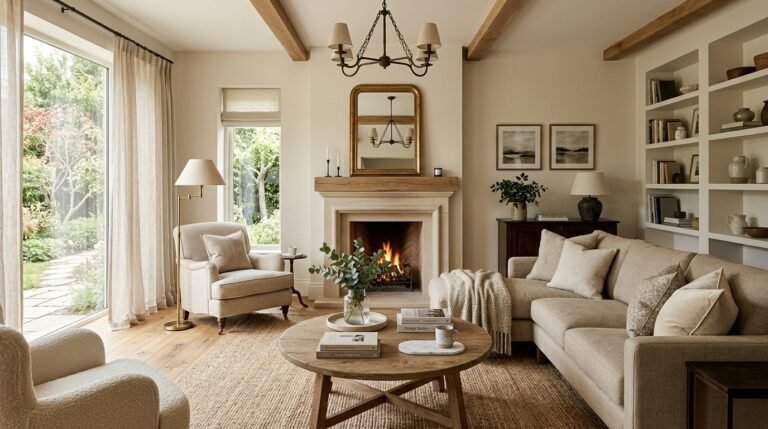
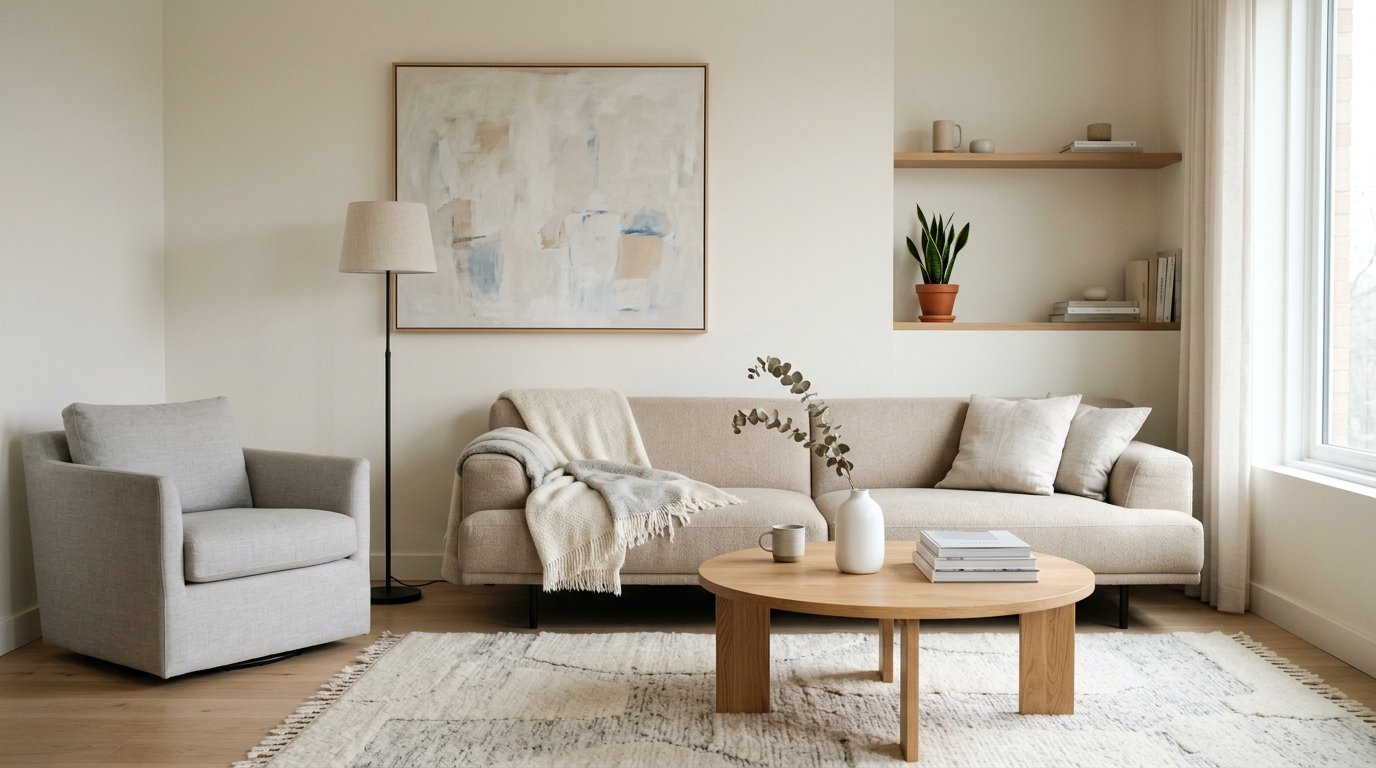
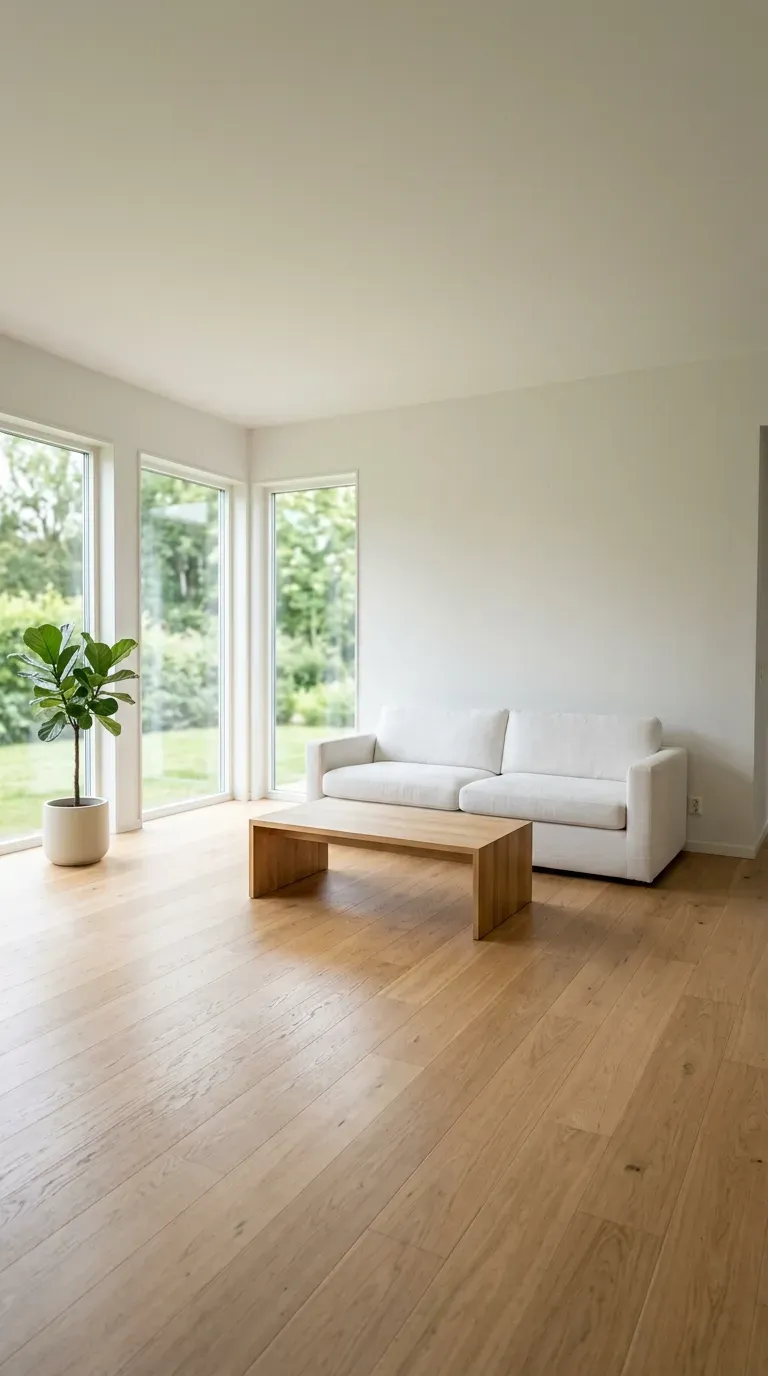
Neutral colors are the foundation of minimalism, creating a calm atmosphere and making rooms feel larger and brighter. Soft shades like white, beige, grey, cream, and oatmeal provide a light, open, and relaxed feel throughout your living space.
The subtlety of neutrals creates an airy feel and allows natural light to bounce around the room, enhancing the minimalist aesthetic. This palette also ensures your space remains timeless, avoiding trend-led colors that may swiftly look dated.
A neutral base also creates a cohesive look where every element feels intentionally connected, avoiding visual chaos. This approach allows architectural features and carefully chosen furniture to take centre stage.
3. Choose Quality Over Quantity
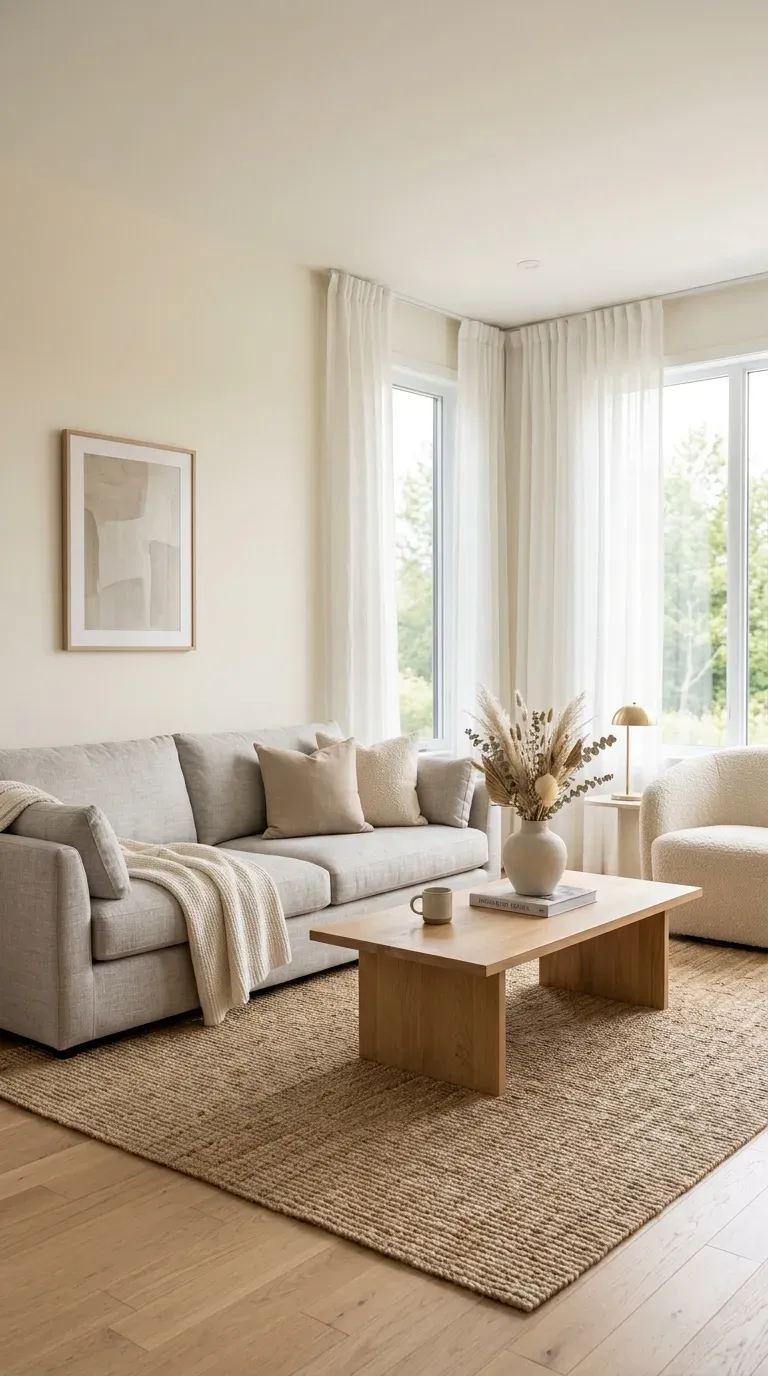
Minimalism encourages you to invest in quality over quantity. Instead of filling your living room with many small decor items, invest in a few high-quality pieces that will stand the test of time and bring lasting satisfaction.
A well-crafted sofa or coffee table can serve as a focal point without overwhelming the space. This shift in focus to quality elevates the space, making it feel curated and thoughtful rather than cluttered and disposable.
Every item in a minimalist living room should earn its place, whether through function or beauty. No excess, no clutter—just purpose and intention in every piece you choose to include.
4. Maximize Natural Light
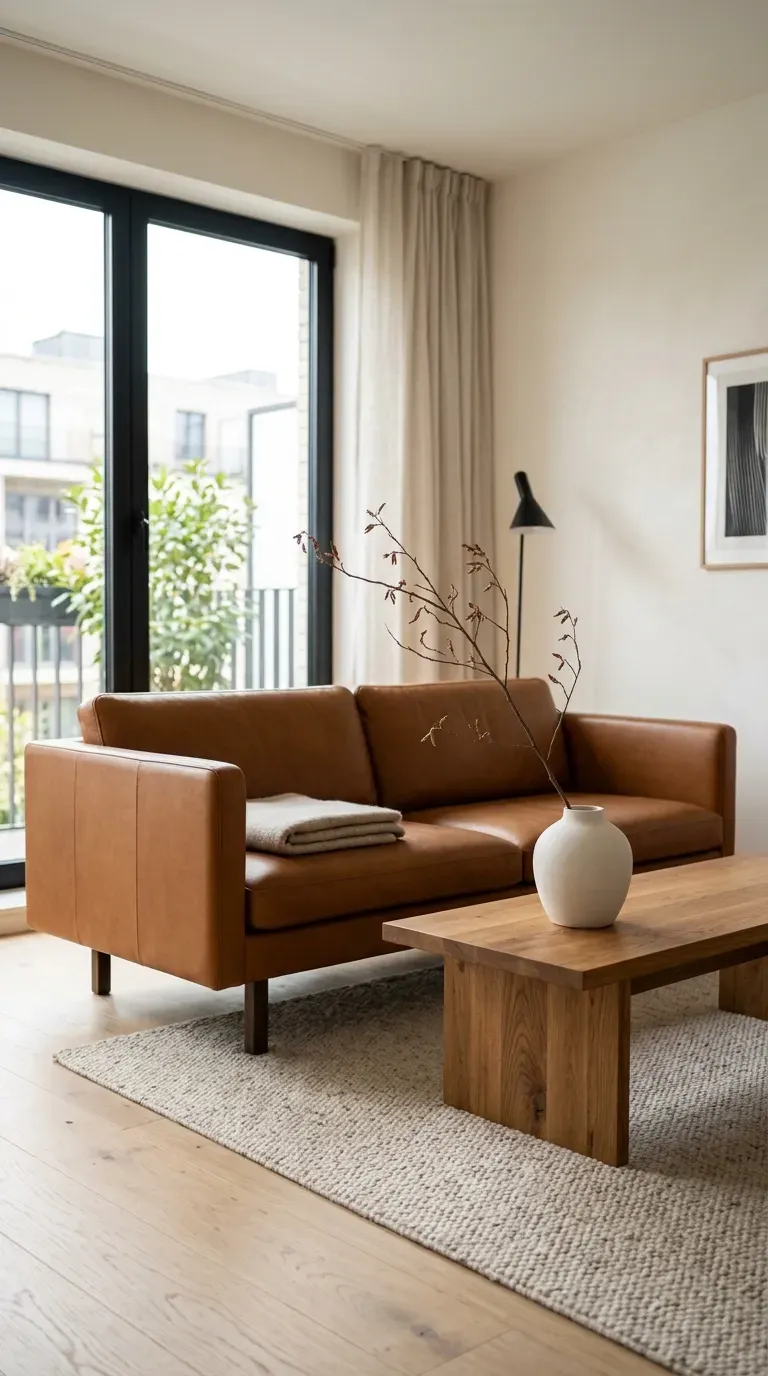
Natural light is a crucial element in minimalist design, as it enhances the sense of spaciousness and airiness. Allow daylight to flood into your living room by avoiding heavy curtains or blinds and sticking to light, airy window treatments.
Wide openings and sheer drapes can amplify the effect of sunlight, casting ever-changing moods across the space. Light, airy window treatments provide privacy without blocking the light that makes the room feel expansive.
Arched windows soften daylight into a gentle glow, while tall, narrow frames create a more dramatic play of shadows. Thoughtfully designed apertures let you control not only the quantity but also the quality of light entering your space.
5. Create Open, Airy Layouts
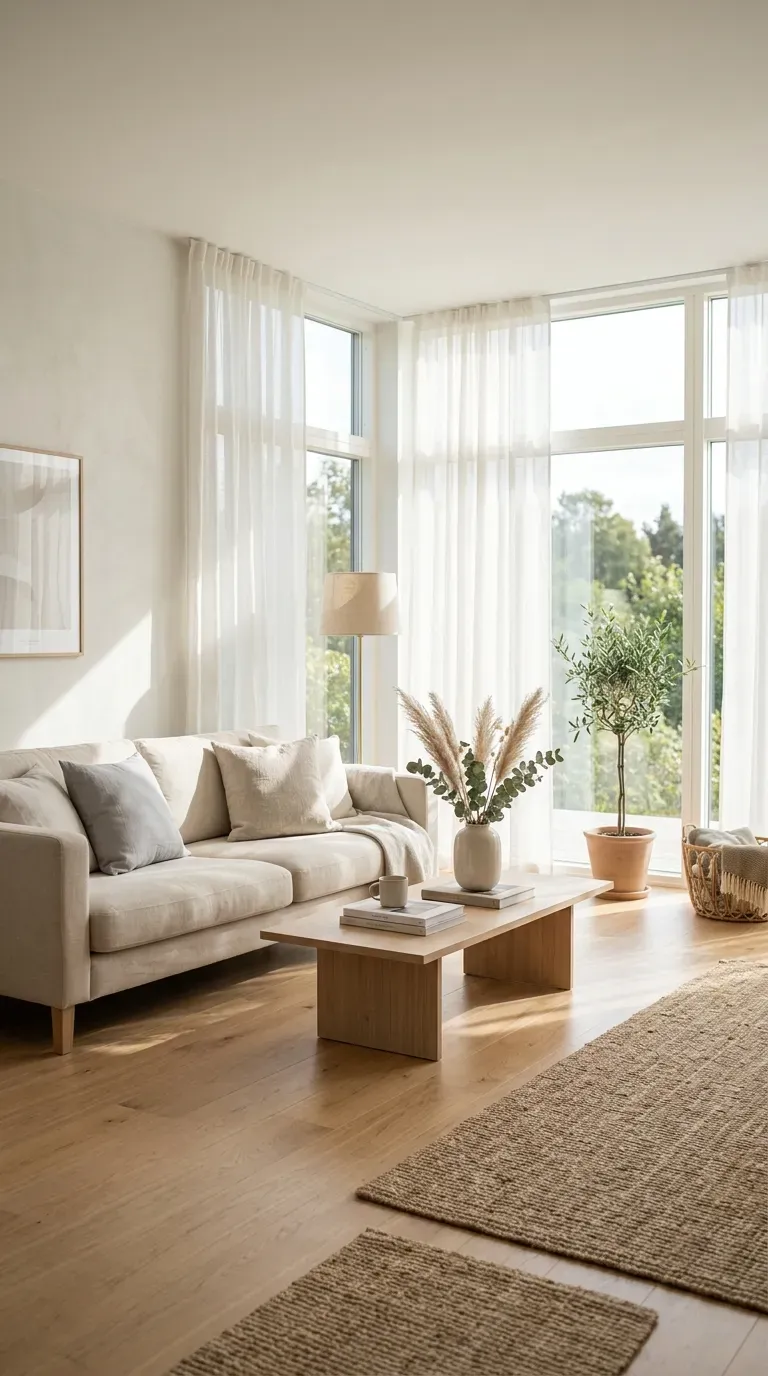
Open-plan layouts with clear, uncluttered arrangements are a hallmark of minimalist design. This creates a beautiful flow between various zones that enhances how sociable and relaxing the space feels.
Maintain a spacious and easy-to-navigate layout by leaving empty areas to let the room breathe—space to move freely, to sit without navigating obstacles. Openness is key to a minimalist living room’s calm appeal.
A clean, open layout allows each zone to flow into the other, offering an unbroken look where you can create defined areas for different activities without visual barriers.
Furniture and Seating Strategies
6. Invest in Clean-Lined Furniture
Minimalist furniture emphasizes clean lines and simple silhouettes. Pieces with ornate details or bulky profiles tend to crowd the space, while sleek, modern designs work best for a minimalist living room.
Opt for low-profile sofas with straight edges, glass or wooden coffee tables, and furniture that keeps the space feeling light and open. Look for practical pieces that add comfort without clutter.
The term “clean lines” suggests unpretentious, sleek designs without excessive decorative elements. This creates a timeless aesthetic that never goes out of style and feels effortlessly elegant.
7. Limit Furniture Pieces to Essentials
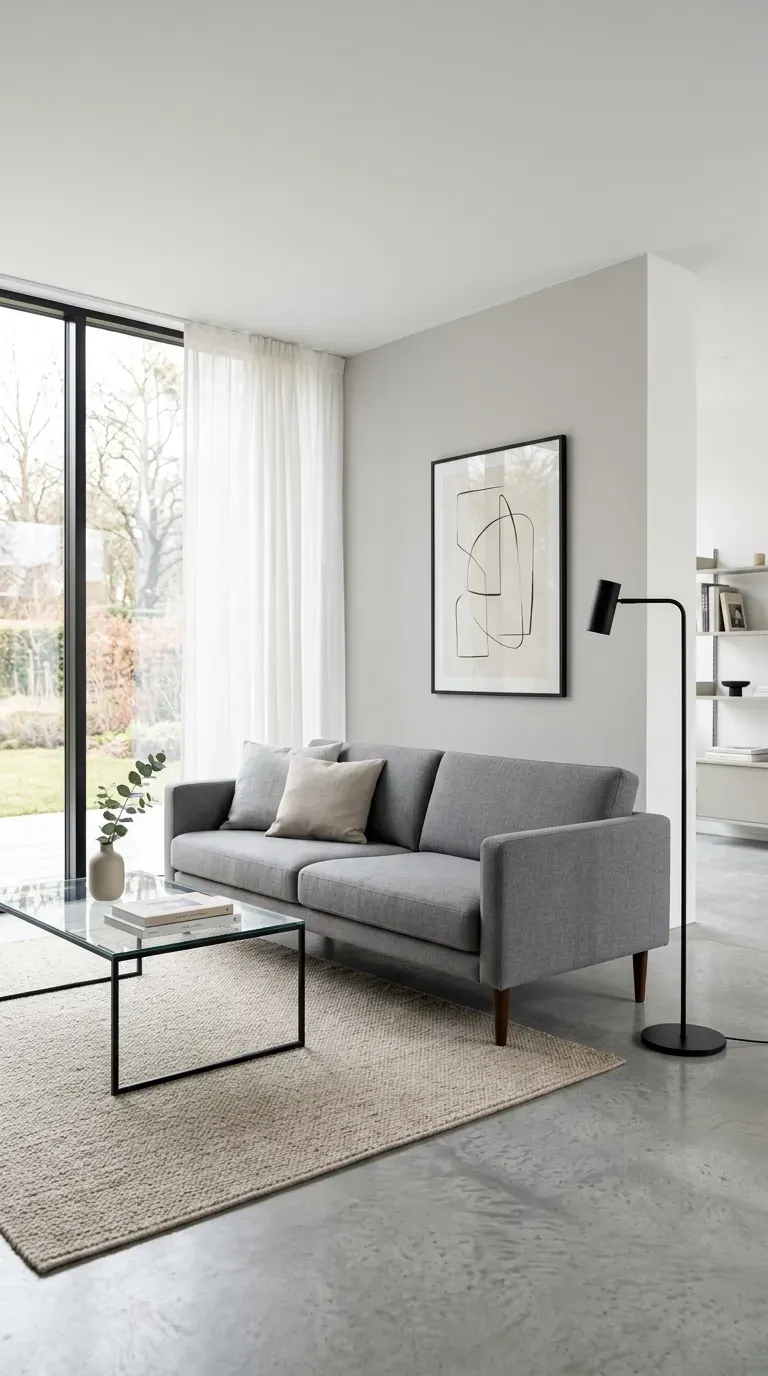
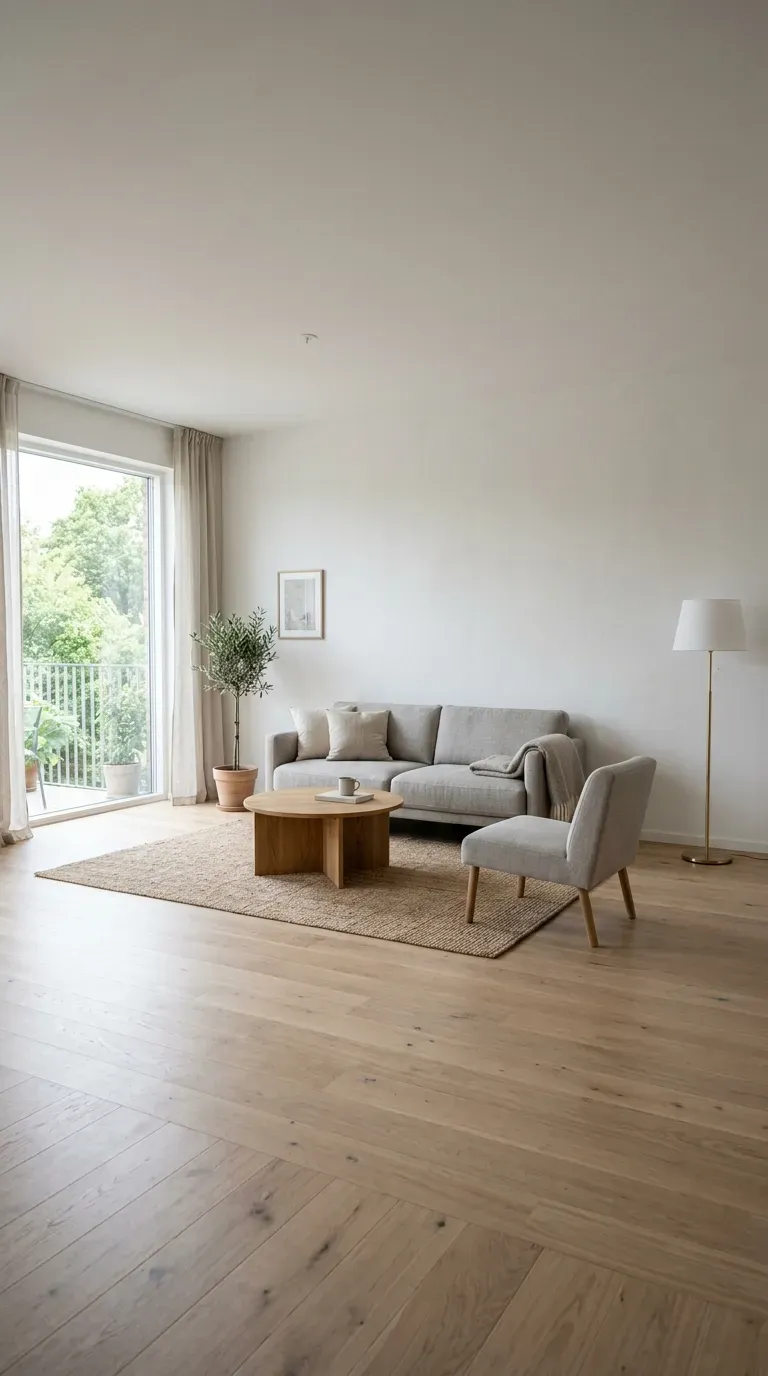
A minimalist living room thrives on simplicity. When it comes to furniture, less truly is more. Select furniture pieces that are functional yet stylish, avoiding overcrowding the space with unnecessary items.
In a compact living room, consider replacing a traditional five to seven seater sofa set with a smaller L-shaped sofa, adding an ottoman or a comfortable chair for variety and extra seating. It’s not about having less for the sake of it—it’s about keeping things functional.
Choose compact and proportional furniture that maintains the balance of the living room, ensuring the layout remains comfortable and calm without feeling sparse or empty.
8. Choose Multifunctional Furniture
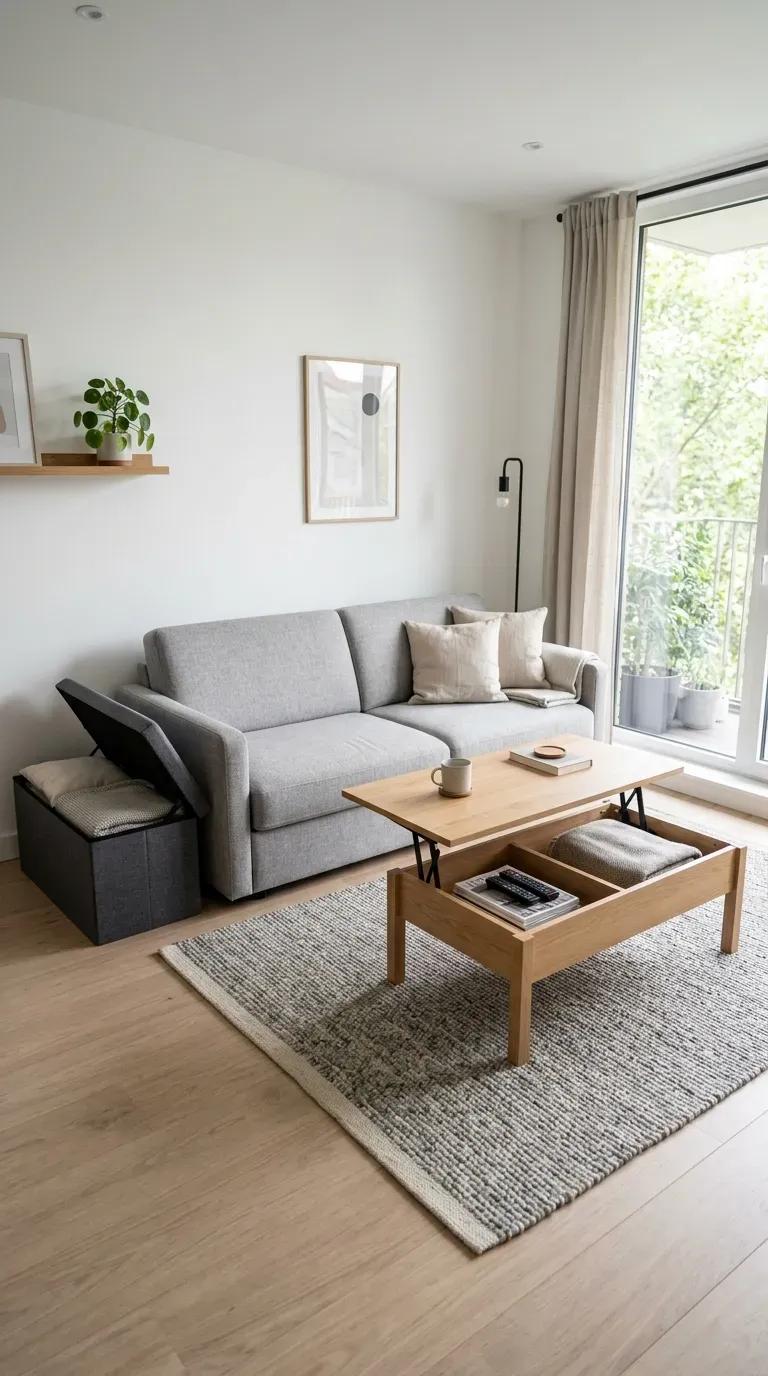
In minimalist living rooms, multifunctional furniture is essential for maximizing space and reducing clutter. A coffee table that doubles as a storage box, a sofa bed, or a storage ottoman can serve multiple purposes without adding extra pieces.
This approach helps reduce clutter while maximizing functionality. A coffee table with storage space or a sofa bed helps you store items without needing to add many pieces of furniture to the room.
Make minimalism multifunctional by blending in elements like a home office area or a reading nook that’s both a part of your living room yet still feels separate and purposeful.
9. Incorporate Built-In Furniture
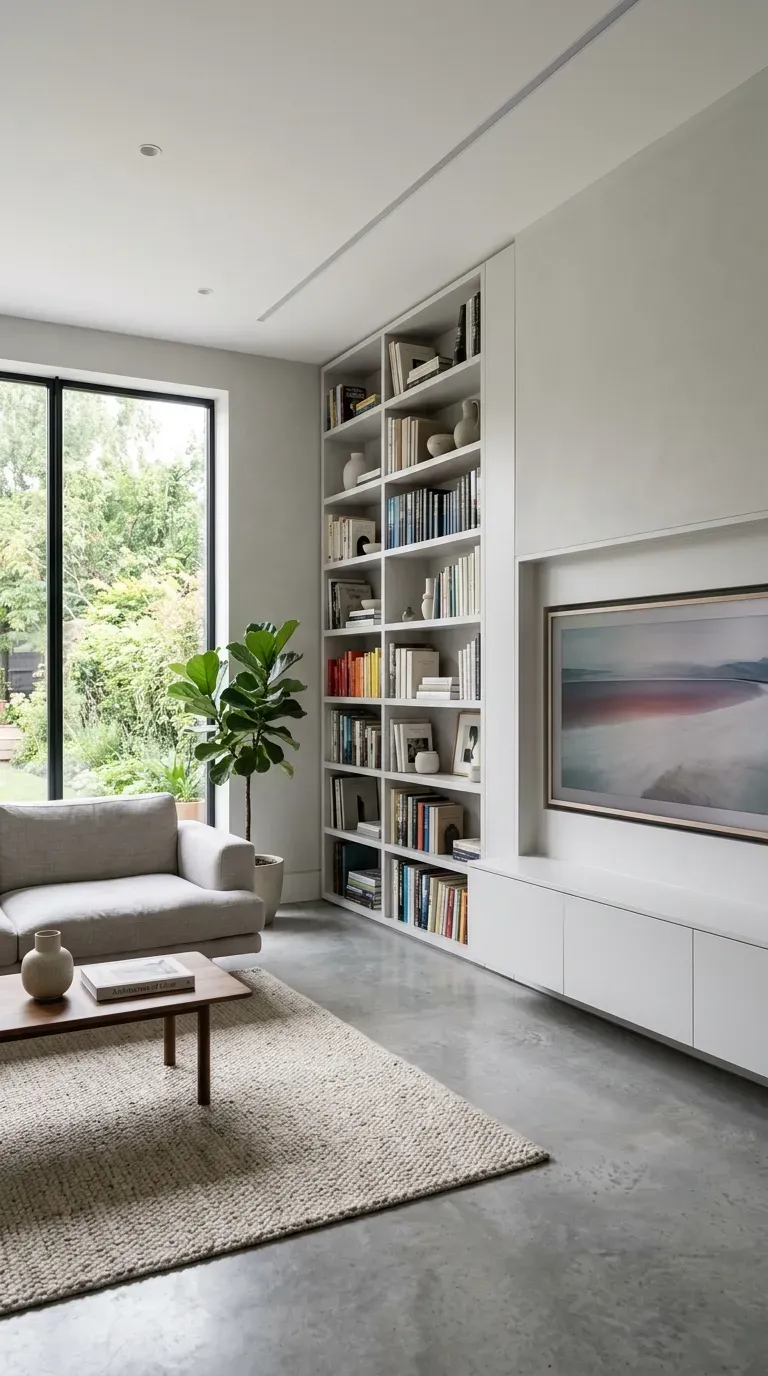
Built-in furniture can blend seamlessly into your living room, making it appear less cluttered and more cohesive. Think of a built-in bookshelf or TV cabinet that fits perfectly into the architecture of your room.
In compact living rooms, partitions can and should double as design features—a translucent screen that lets light through while defining spaces, or a bookshelf wall that can store and display items beautifully.
Built-ins help create a continuous statement, allowing one element to travel across walls to anchor the space and create a sense of flow without introducing visual clutter or bulky standalone pieces.
10. Opt for Compact and Proportional Pieces
Compact and proportional furniture maintains the balance of the living room. Choose tables, shelves, or sofas that match the size of the room, always calculating the room size before buying items.
Sturdy materials and simple designs give a modern minimalist impression, and the living room looks more organized and durable for long-term use. Be mindful of scale—oversized pieces can overwhelm a small room while tiny furniture may get lost in larger areas.
Nesting tables or stackable pieces keep layouts flexible and adaptable, while bold standout elements like a long community-style table or inbuilt bench seating can create impact without overwhelming the room.
Storage Solutions
11. Choose Hidden or Invisible Storage
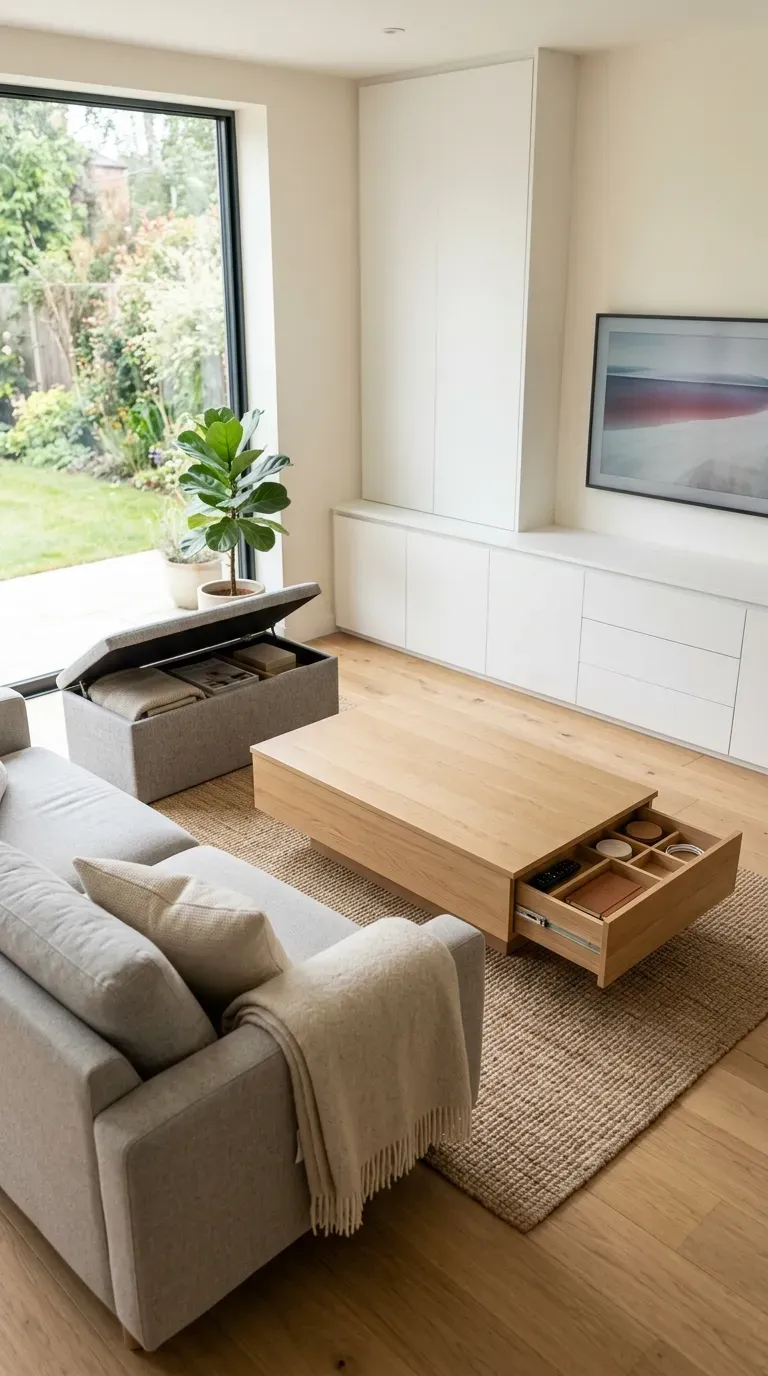
Hidden or invisible storage is a minimalist’s dream. Furniture that has hidden compartments helps keep clutter out of sight, ensuring surfaces stay clean and organized at all times.
A streamlined media unit or a storage ottoman tucks away essentials—books, remotes, or blankets—so the room stays tidy without sacrificing accessibility. Smart storage solutions like these are key to maintaining a clutter-free living space.
Clever storage options, such as closed shelving or furniture that doubles as storage, keep everything in place while maintaining a clean, open look that defines minimalist design.
12. Use Open Shelving Thoughtfully
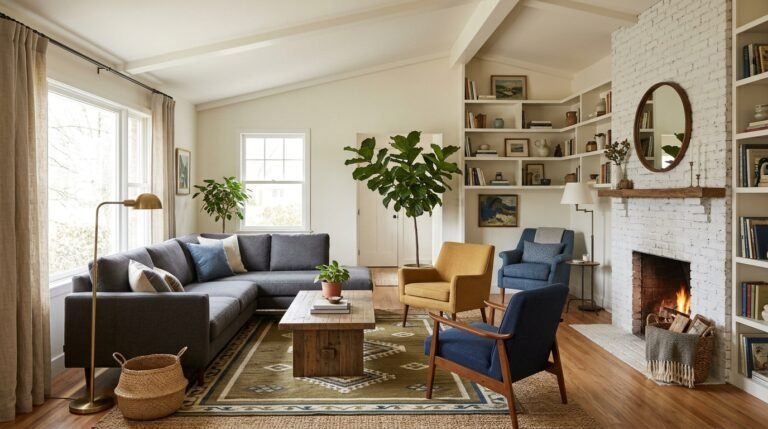
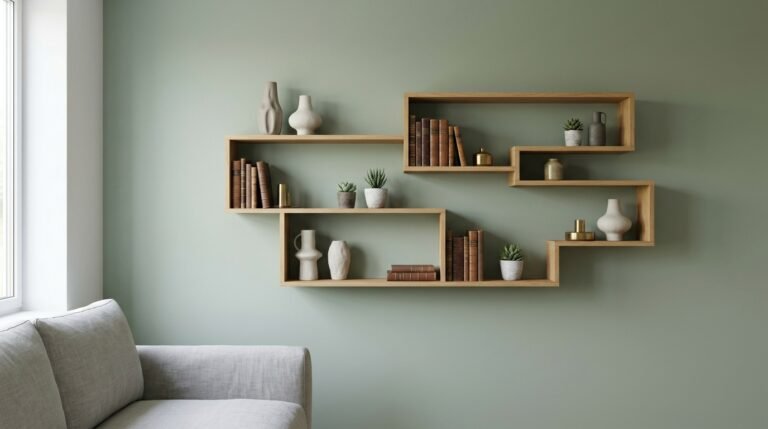
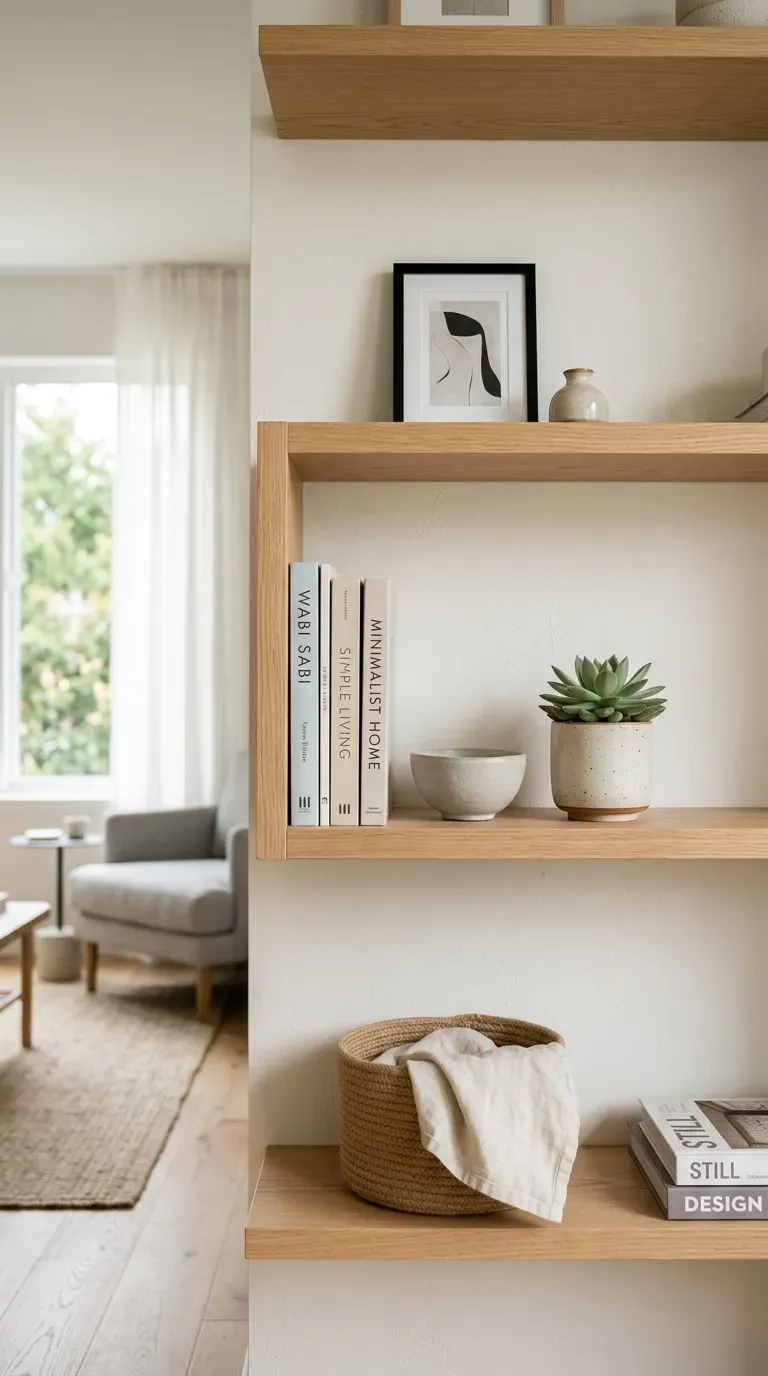
Open shelves can be a great minimalist addition as long as they aren’t overfilled. They offer practical storage while encouraging you to be intentional about what you display on them.
A simply designed bookshelf or open shelves help organize books, ornaments, and accessories without making the room feel heavy, supporting a minimalist impression. Keep accessible items visible while curating your display to avoid clutter.
This approach encourages you to showcase your favorite pieces without overwhelming the eye, creating a curated look that feels personal yet restrained.
13. Streamline Your Entertainment Center
Minimalism calls for a clean, organized entertainment setup. Too many gadgets and exposed wires can disrupt the calm vibe of the room. Hide wires, use sleek storage, and minimize the number of devices you have on display.
A wall-mounted entertainment unit can offer space for a television or an array of books while helping you organize your accessories creatively and efficiently, without compromising on the symmetry of the living room.
A sleek TV unit with closed drawers and wall cabinets helps keep everything in place while maintaining a clean, open look that feels modern and uncluttered.
14. Built-in Storage for a Seamless Look
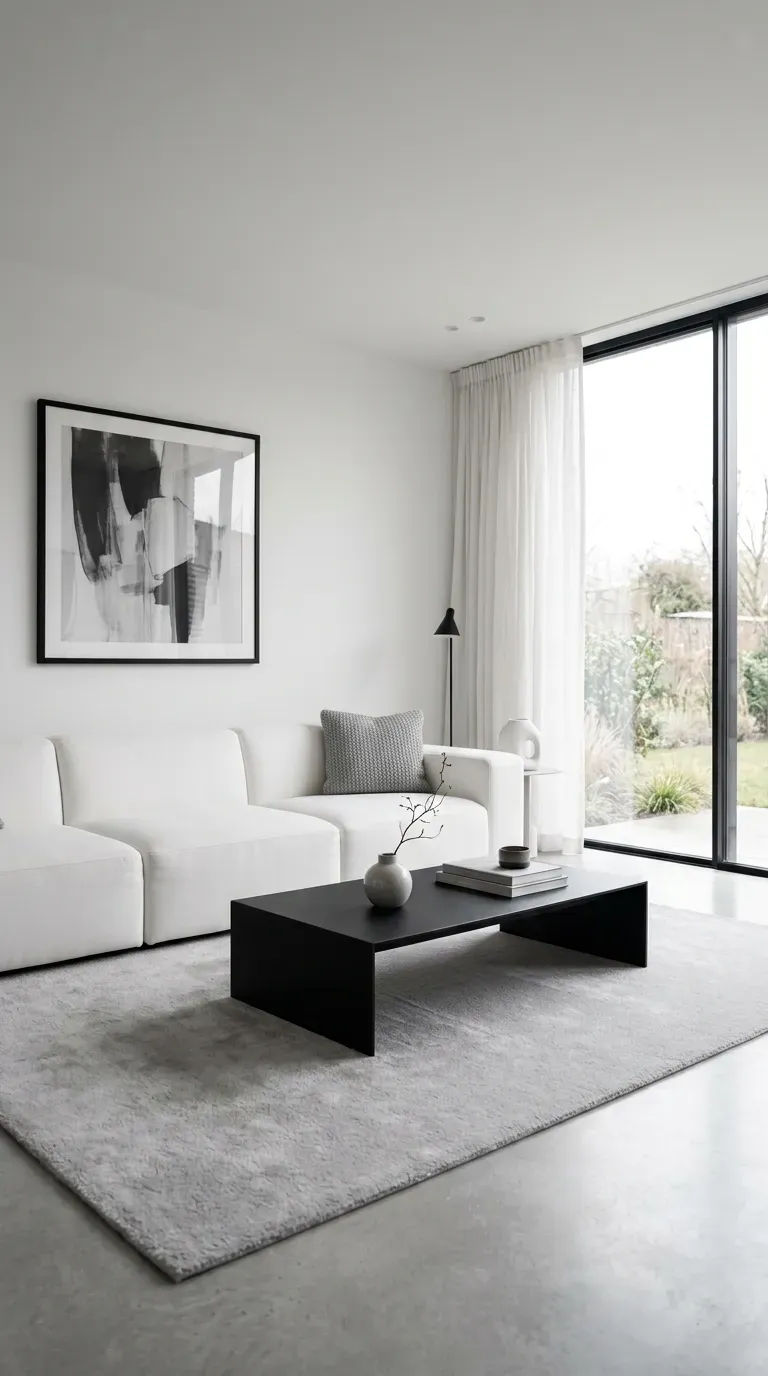
Built-in storage solutions create a seamless, uninterrupted look that amplifies the sense of space. By aligning storage with the wall surface and concealing frames or handles, you eliminate visual breaks that can clutter the eye.
Fitted furniture works superbly well for giving a uniform aesthetic throughout your space. This decluttered aesthetic makes it much easier to create environments that serve more than just one purpose.
The seamless look of built-in storage helps the room feel larger and more cohesive, with storage that disappears into the architecture rather than standing out as separate pieces.
Color and Texture
15. Embrace Monochrome Palettes
Monochrome is king when it comes to minimalist design. A clean and well-organized combination of monochrome tones can keep things interesting and serene throughout your living space.
An almost entirely white, monochromatic palette creates a fresh, spacious feel. Using one bold, saturated hue and drenching the room in it—walls, ceilings, even furniture—can create a strikingly cohesive effect.
A monochrome scheme gives a space a unified and clean look, with elements that by default go together. It’s about playing with shapes, textures, and elements to add interest without introducing competing colors.
16. Add Warmth with Earthy Textures
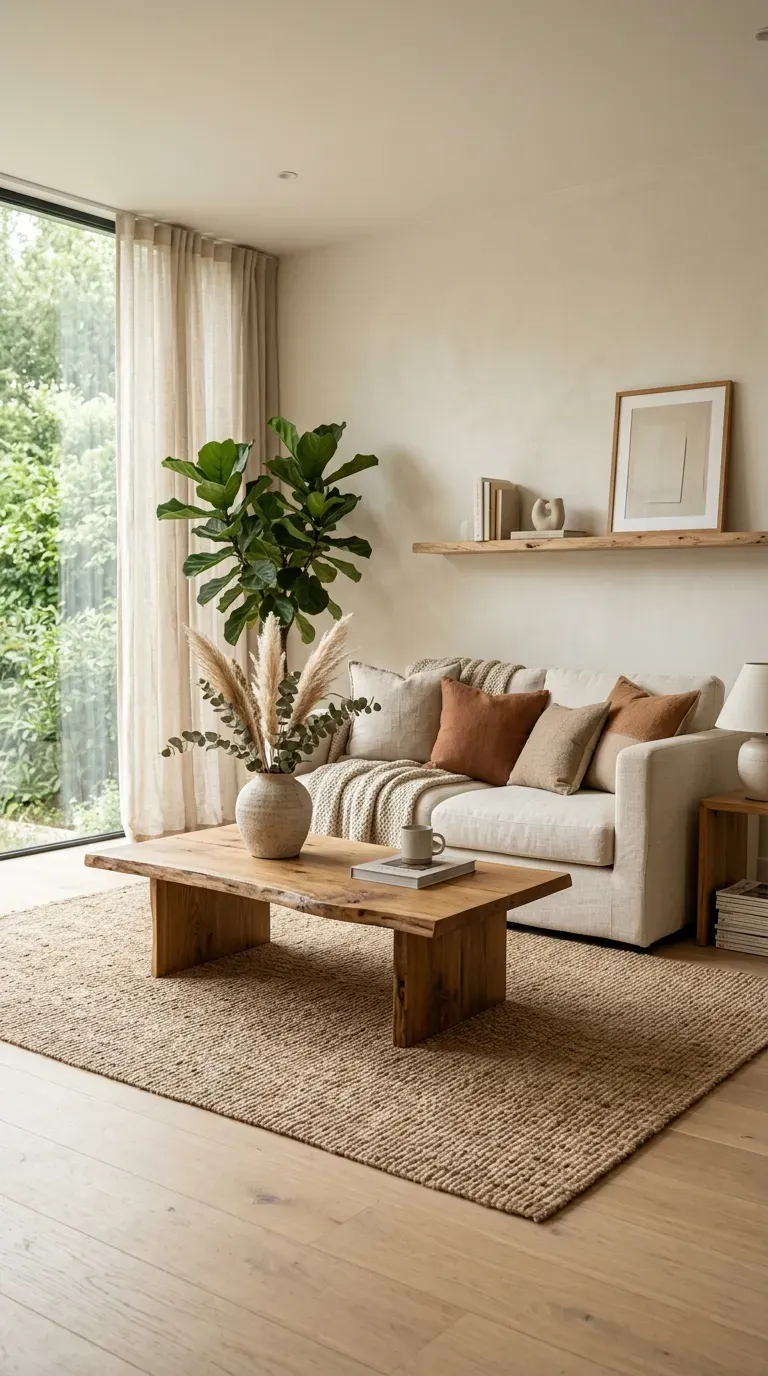
While minimalism often uses neutral palettes, it’s important to avoid creating a space that feels cold or unlived-in. Adding earthy textures is key to making a minimalist room feel warm and inviting.
When the palette is pared back, texture becomes your best tool for impact. Lime-plastered walls, raw stone, ribbed wood, or even a single woven accent can add depth and visual weight without breaking the minimalist language.
Use natural materials like wood, jute, or terracotta to add warmth and balance to your space. A soft rug, a floor lamp, or a few carefully placed vases can bring warmth without compromising the minimalist aesthetic.
17. Use One Accent Color for Personality
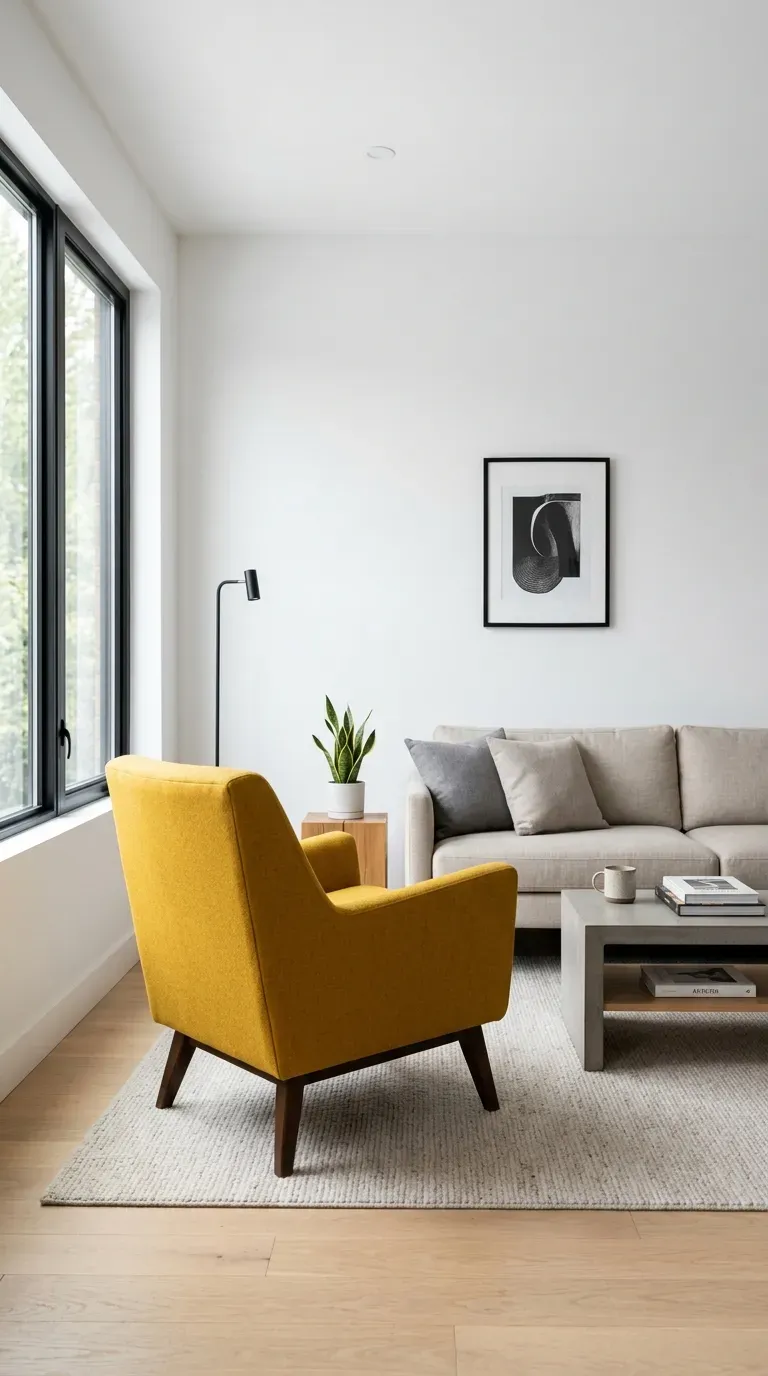
Minimalism doesn’t mean an all-white canvas. Choosing one bold, saturated hue and featuring it in a single piece or element can create a striking yet cohesive effect that adds personality.
A single shade grounds the space, simplifies the palette, and adds personality without clutter. Done thoughtfully, color can be just as serene as neutrals when used sparingly.
In a minimalist living room, one piece of furniture in a really bright color can become the centre of attraction without overwhelming the space. A muted carpet or a contrasting wallpaper can introduce dynamism in a controlled way.
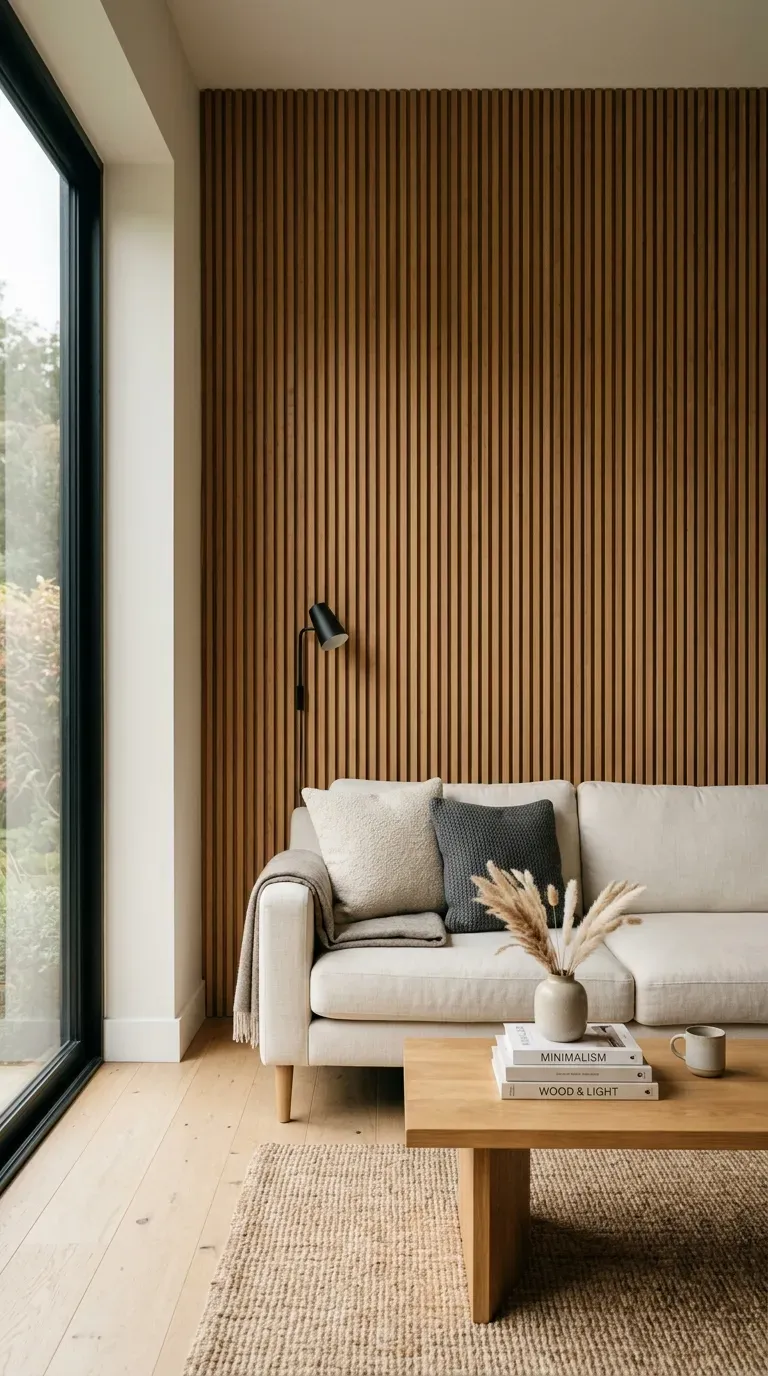
18. Incorporate Wood and Natural Materials
Wood and wood-inspired designs are perfect for adding warmth to a cozy minimalist living room. A cozy coffee table or a matching side seating arrangement can make for an eclectic combination of earthy and natural tones.
Subtle timber accents, breathable lime plaster, and natural materials create a calming environment. Material finishes and textures are key to creating calm, comfortable spaces.
Wood and natural materials bring a sense of nature indoors, making the minimalist space feel grounded and welcoming rather than stark and cold. These organic elements add visual warmth that balances clean lines.
Wall and Floor Treatments
19. Feature One Statement Wall
Feature panels blend into your fitted furniture to create a bold contemporary backdrop, adding depth and nuance to your look with understated flair. Slatted feature panels use wooden slats to bring a sleek, linear aesthetic.
Non-slatted designs use stone tones for a look that feels bold and dynamic. Allowing one element to travel across walls can anchor your space with a clear focal point.
One strong gesture is often more impactful and resonant than many smaller accents scattered around the room. A single statement wall creates focus without visual noise.
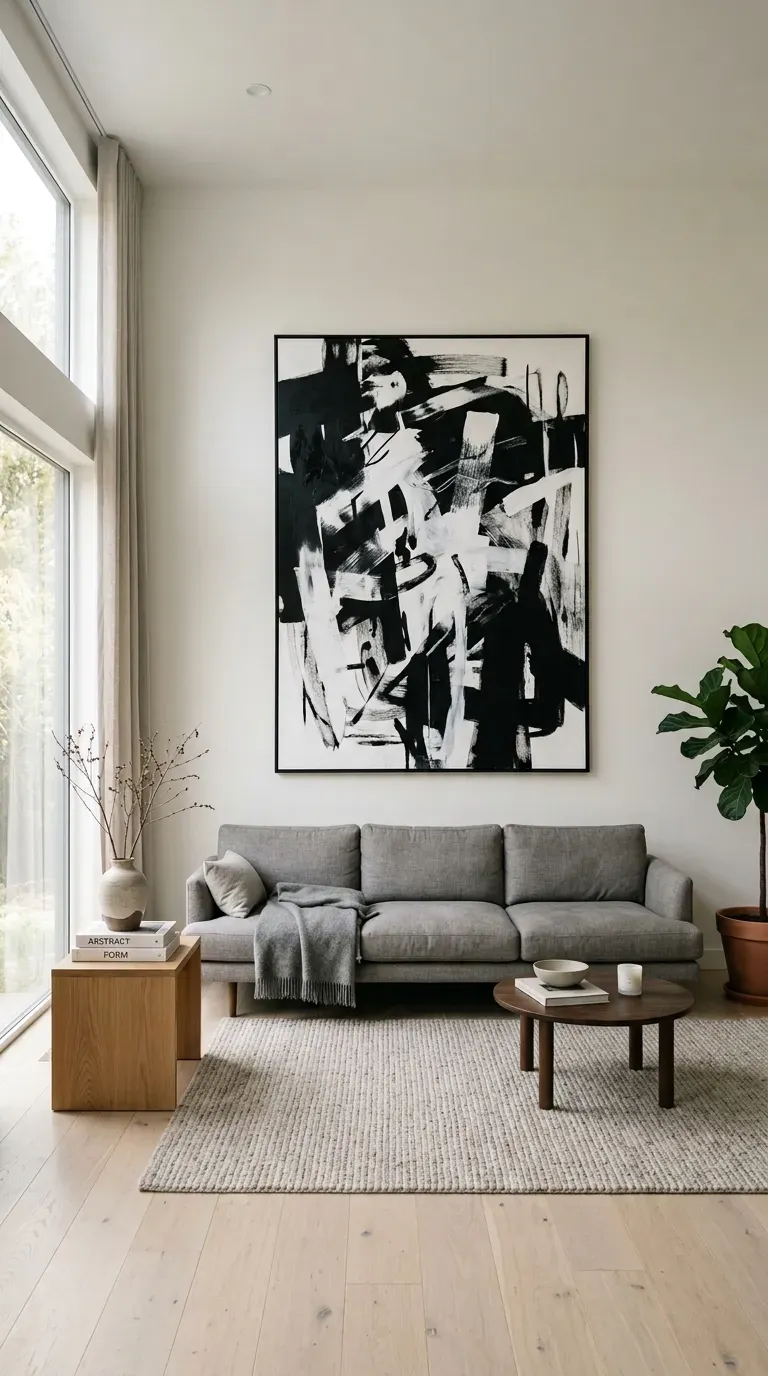
20. Use Simple Wall Art
When choosing wall art for a minimalist space, opt for one or two simple pieces rather than filling your walls with countless frames. One statement piece of art can have a more profound impact than a gallery wall full of distractions.
Choose artwork that reflects your style but remains simple in design, and keep it limited to avoid clutter. Wall frames with simple motifs can be an attractive visual accent without making the walls look crowded.
This approach allows the art to breathe and be truly appreciated, becoming a focal point rather than part of visual noise. Less truly is more when it comes to minimalist wall decor.
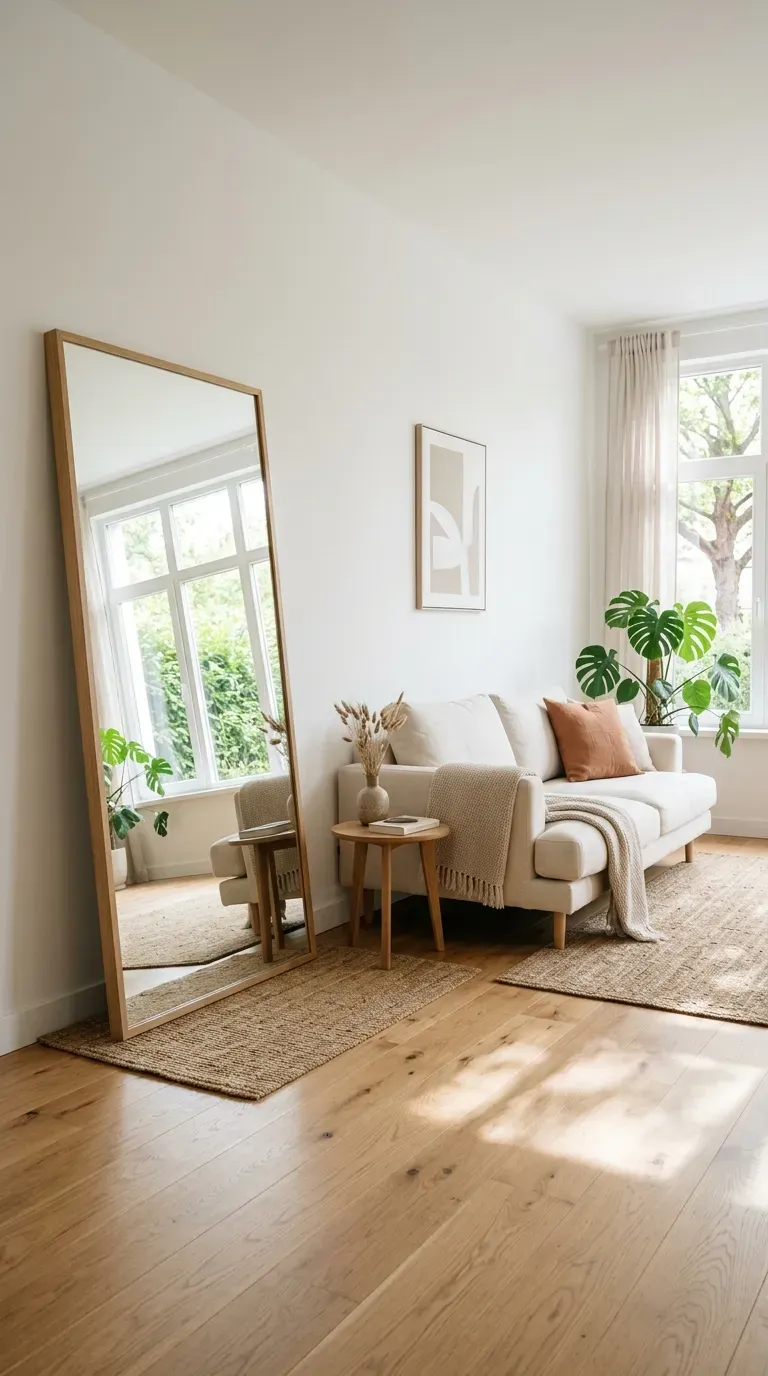
21. Use Mirrors to Expand Space
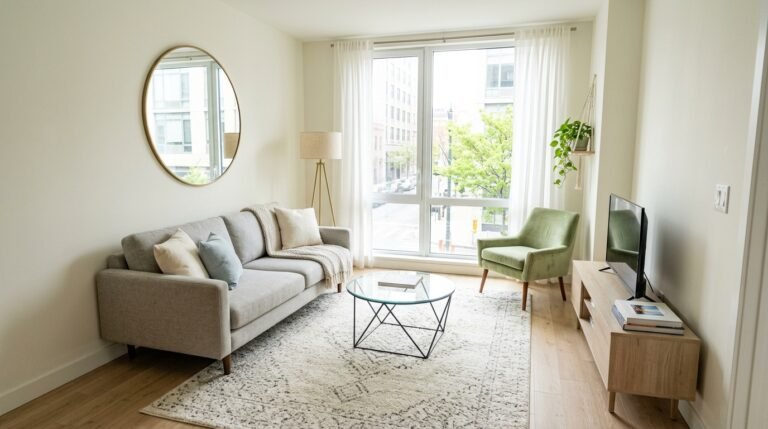
Mirrors can make any room look bigger. Adding a large mirror to your living room reflects light and gives the illusion of more space. It’s a minimalist trick to make your room feel open without adding more furniture.
Large mirrors or soft-toned paintings give a spacious impression on the walls and strengthen the look of a minimalist living room. Position mirrors where they can reflect natural light or a beautiful view.
This simple addition creates depth and dimension in the room, making it feel larger and more open without any extra square footage.
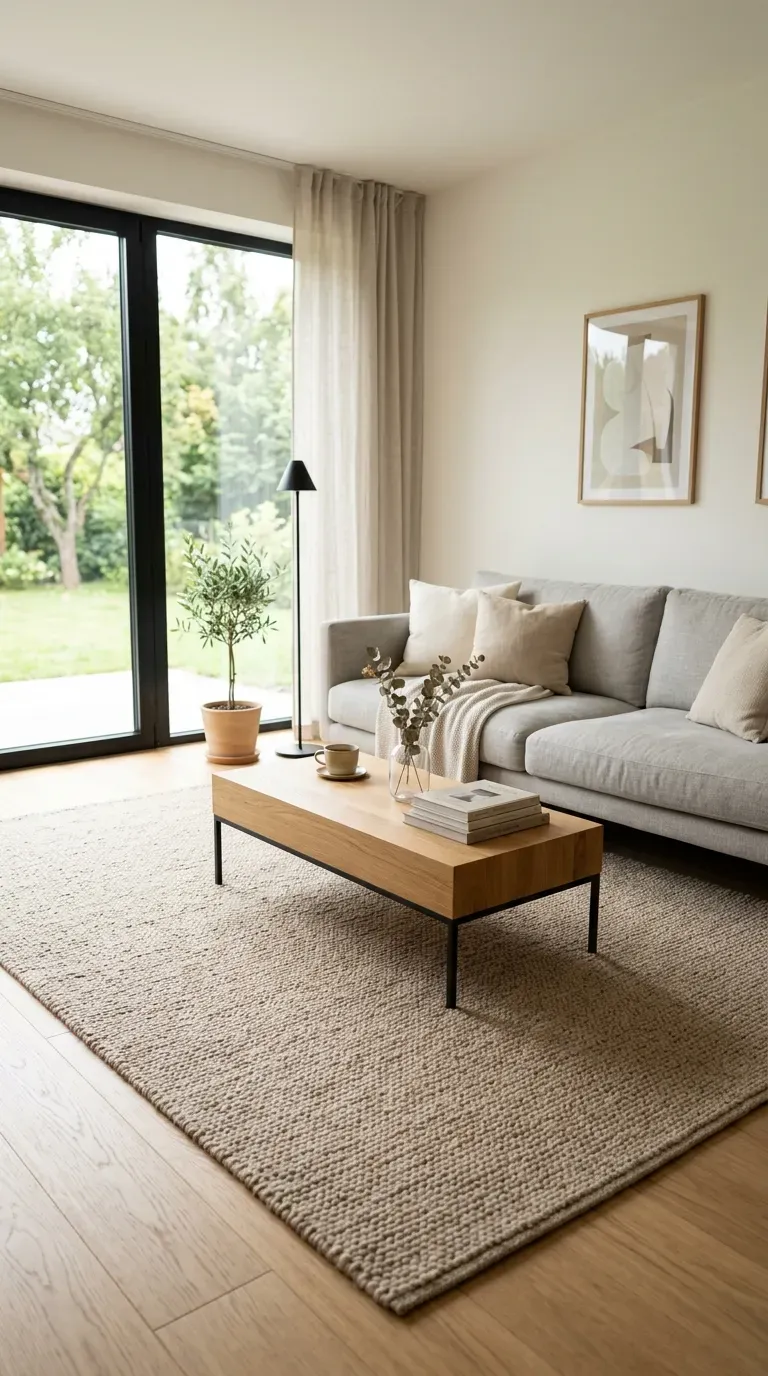
22. Simple Area Rugs to Define Zones
A single area rug with a simple design can add comfort without overpowering the room and helps define different zones within your living room. This technique helps organize the space visually while maintaining an open feel.
Rugs also add texture and warmth underfoot, making the minimalist space feel more inviting. Choose rugs in neutral tones or simple patterns to maintain the minimalist aesthetic.
In open-plan layouts, rugs can be used to subtly separate living and dining areas without walls or visual barriers.
Lighting Strategies
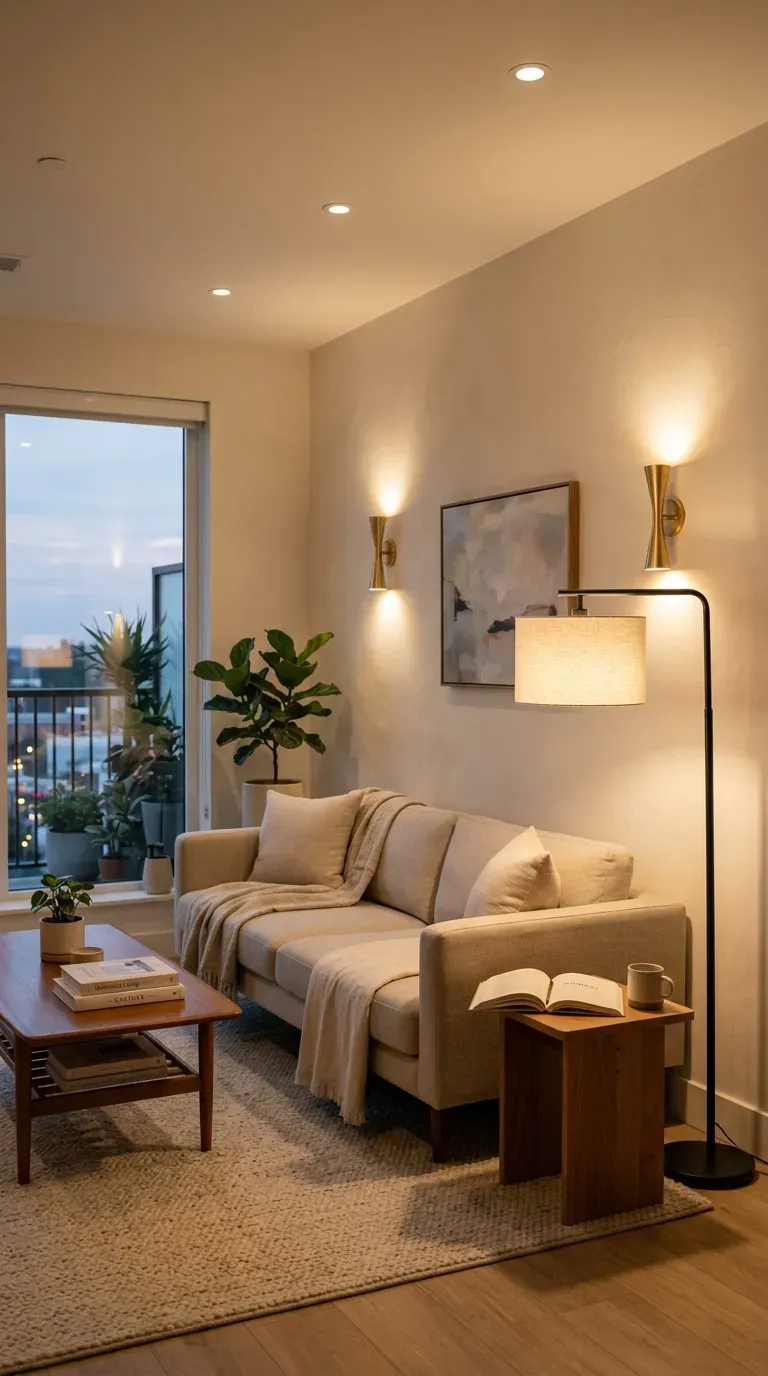
23. Layer Ambient, Task, and Accent Lighting
Lighting has the power to completely transform how your living room looks and feels. Layering ambient, task, and accent light sources creates a much more nuanced finished look that feels warm and inviting.
Instead of bulky central chandeliers, mix a floor lamp by the sofa for task lighting, wall sconces for accent lighting, and soft overhead fixtures for ambient lighting. This layered approach creates a cozy, inviting glow that adapts to different moods.
Built-in accent lighting that almost feels like it’s appearing from nowhere gives a space a sleek, stylish aesthetic without relying on elaborate extras or cluttering the room.
24. Choose Compact Lighting Fixtures
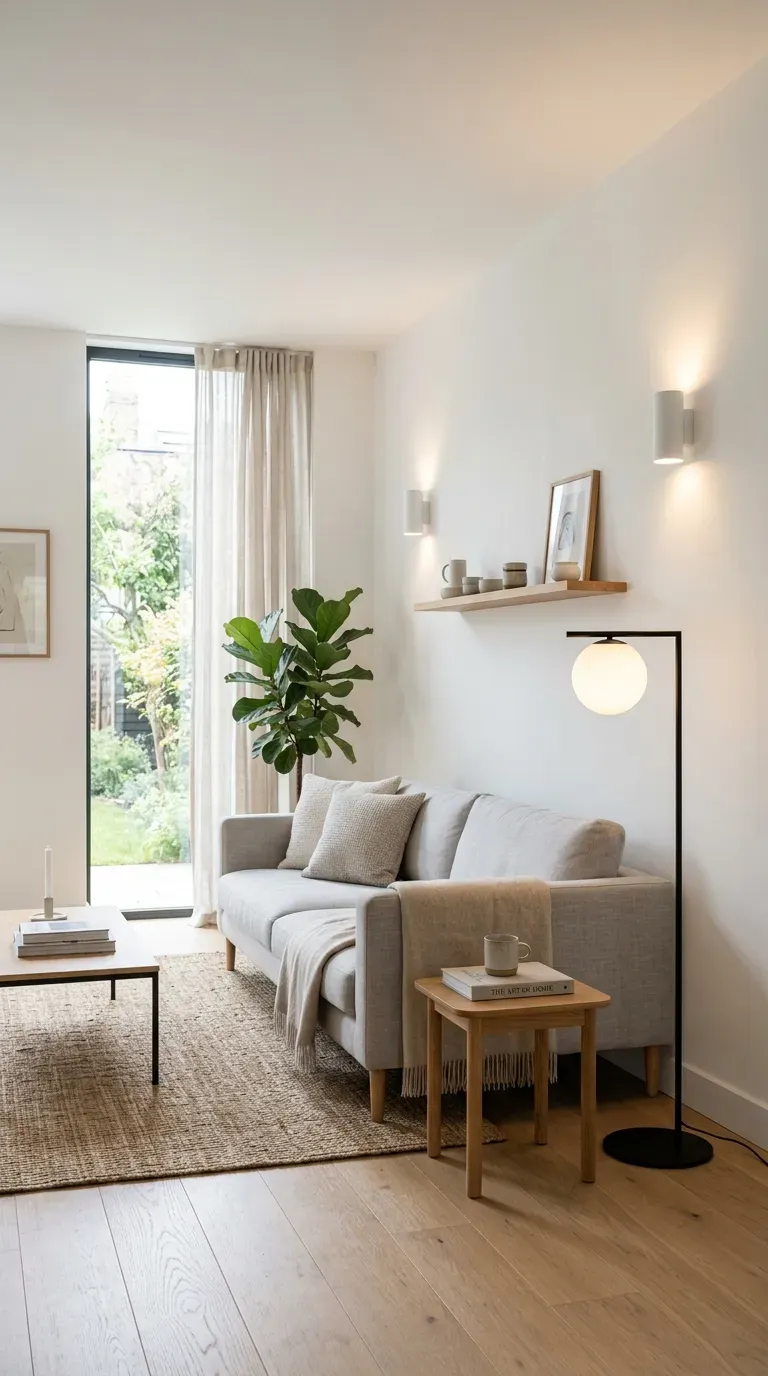
Go for sleek and compact lighting designs that are functional without drawing too much attention to themselves. Think floor lamps with slender stands or wall sconces that free up floor space and keep the room feeling open.
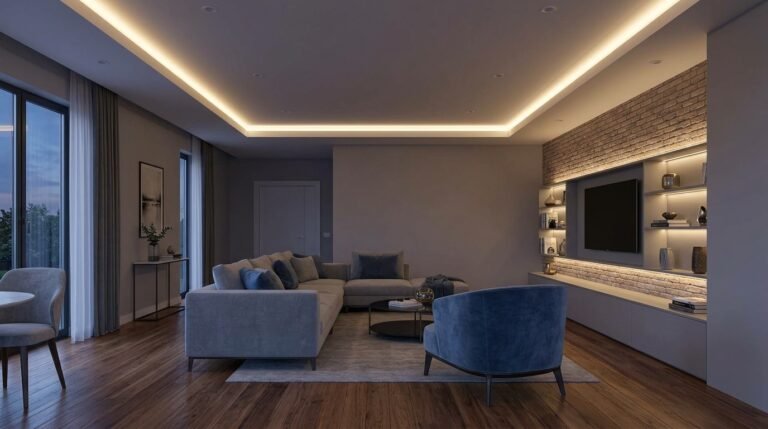
A simple pendant or floor lamp with a simple design adds to the minimalist look without overwhelming the space. Discreet ambient lighting options like recessed downlights or ceiling pelmet lighting for a soft glow can be super atmospheric.
Use simple fixtures that blend seamlessly with your decor, providing illumination without becoming visual distractions.
25. Use Dimmers for Adjustable Ambiance
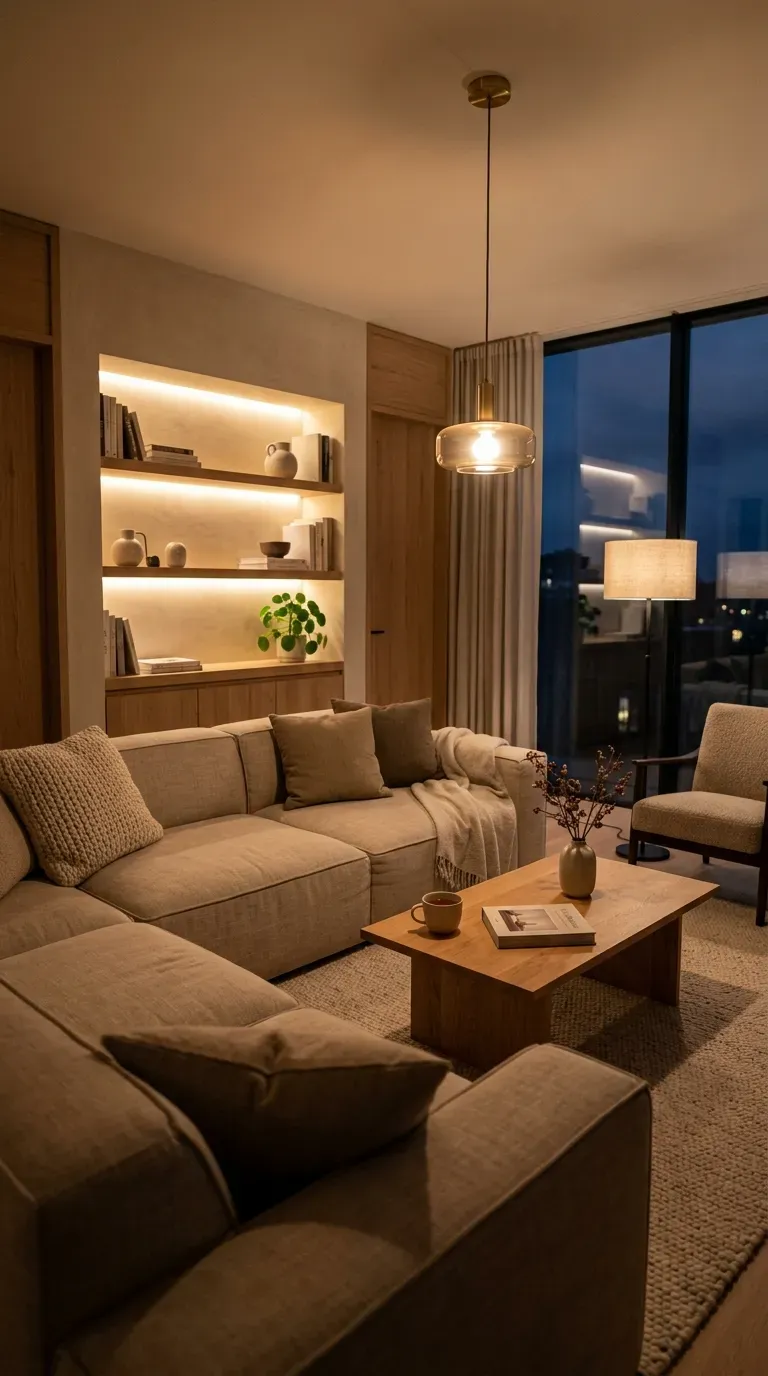
Dimmers allow you to adjust the lighting to suit different moods and activities. They create a more nuanced finished look that always feels wonderfully sophisticated and adaptable.
The ability to control the intensity of light helps transition from bright daytime to intimate evening hours. This adaptability is a hallmark of thoughtful minimalist design that responds to how you live.
Installing dimmers on overhead lights and choosing lamps with dimming capabilities gives you complete control over your room’s atmosphere.
26. Embrace Light-Enhancing Window Treatments
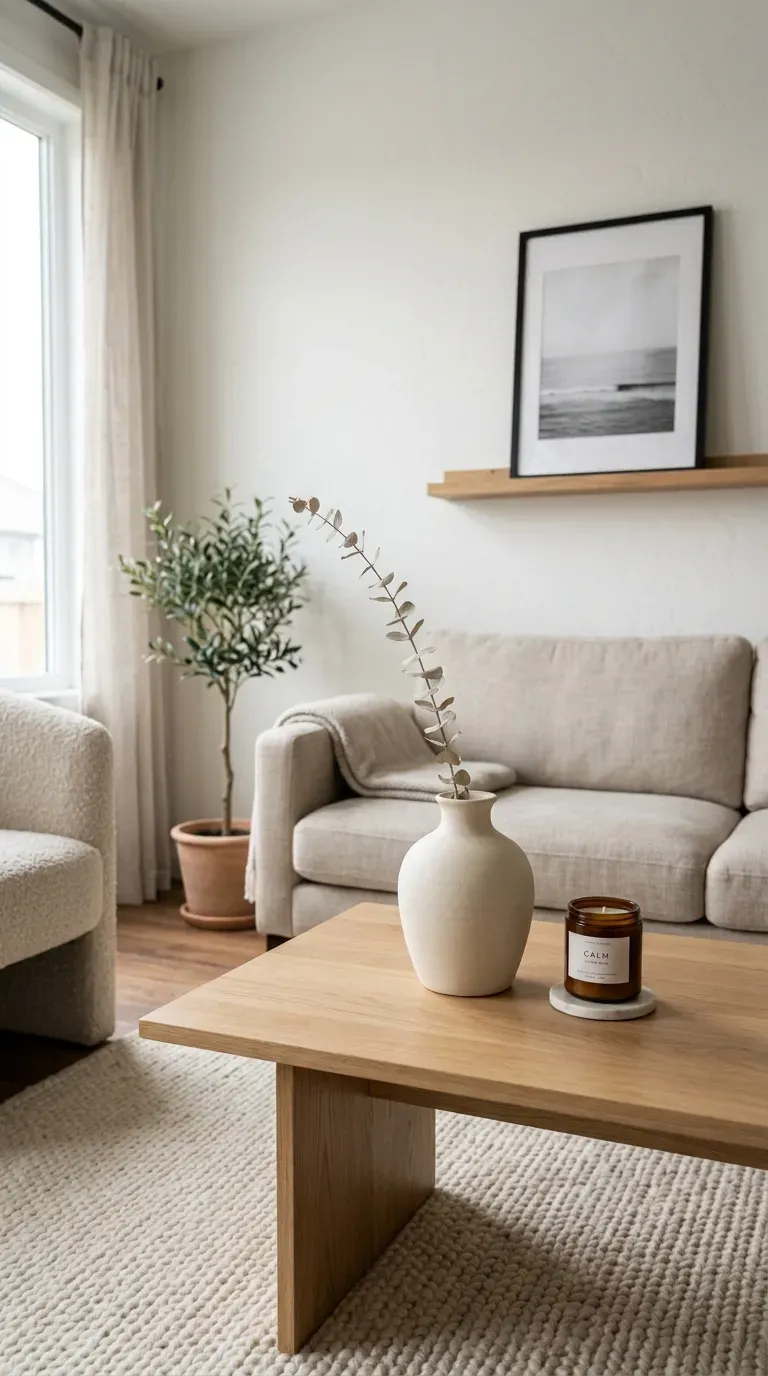
Light, airy window treatments are essential for maximizing natural light in a minimalist space. Sheer drapes or blinds help maximize daylight, making your room feel brighter and more expansive.
Wide openings and sheer drapes can amplify the effect of sunlight, casting ever-changing moods across the space. Soft, simple window treatments maintain the clean aesthetic while allowing light to filter through.
This approach keeps the room feeling open and connected to the outdoors, bringing natural light deep into the space.
Decor and Personal Touches
27. Limit Decorative Accessories
While decorative items can add character, too many can lead to chaos. Choose a few key pieces—perhaps a favorite sculpture or a simple vase—to create visual interest without cluttering the space.
Be intentional with your decor. Choose a handful of pieces that matter: a handcrafted ceramic vase, a framed family photo, or a scented candle. These small touches add personality without overwhelming the space.
Every decor item should earn its place—whether it serves a function or sparks joy—creating a curated feel that reflects your personality without excess.
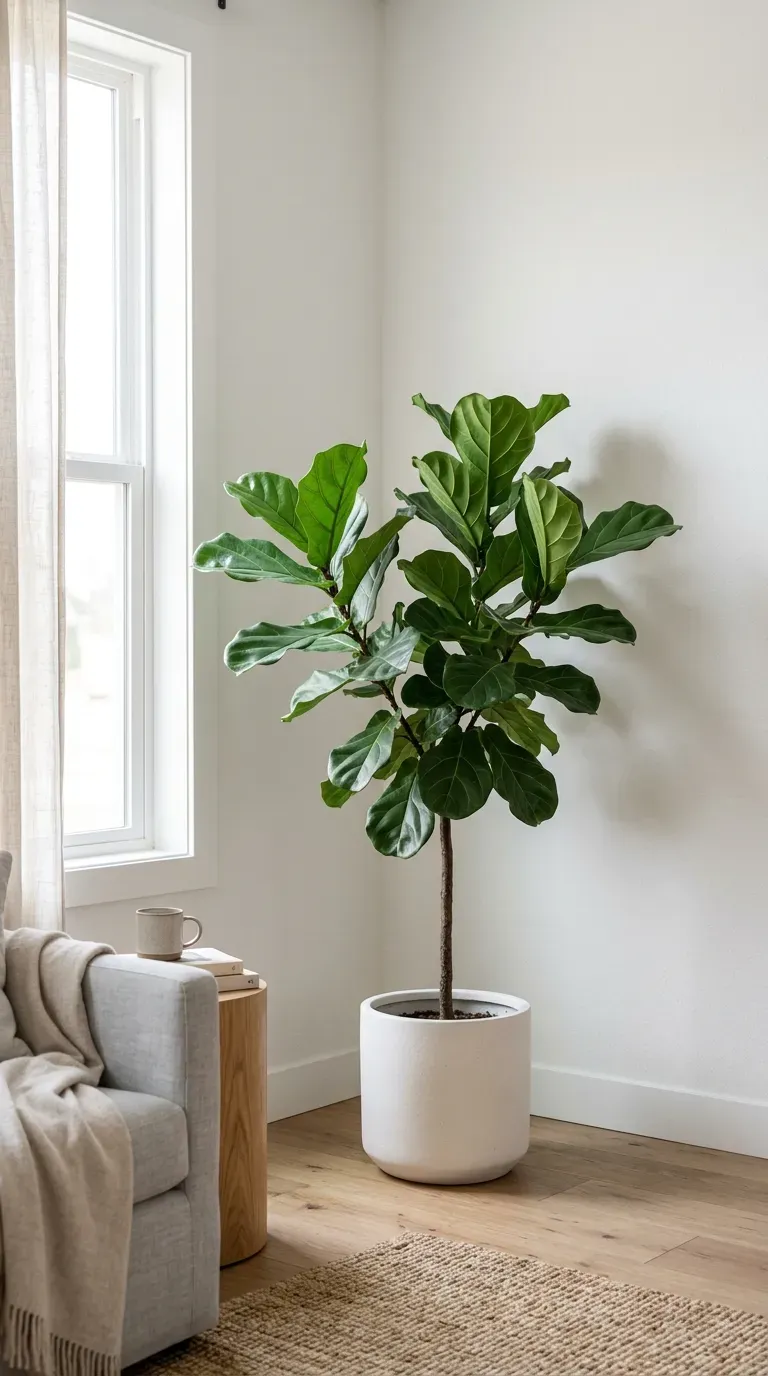
28. Add Life with Select Greenery
Small indoor plants give a fresh touch to a minimalist space. This green element helps create a warmer and more natural atmosphere, perfect for resting the eyes and connecting with nature.
Choose one or two well-chosen plants in clean pots for a calming, nature-inspired touch. Place them in a corner of the room or on a shelf to add balance without losing the minimalist impression.
Plants are perfect for a minimalist living room, bringing in a breath of fresh air with their simple, natural beauty and organic shapes that soften clean lines.
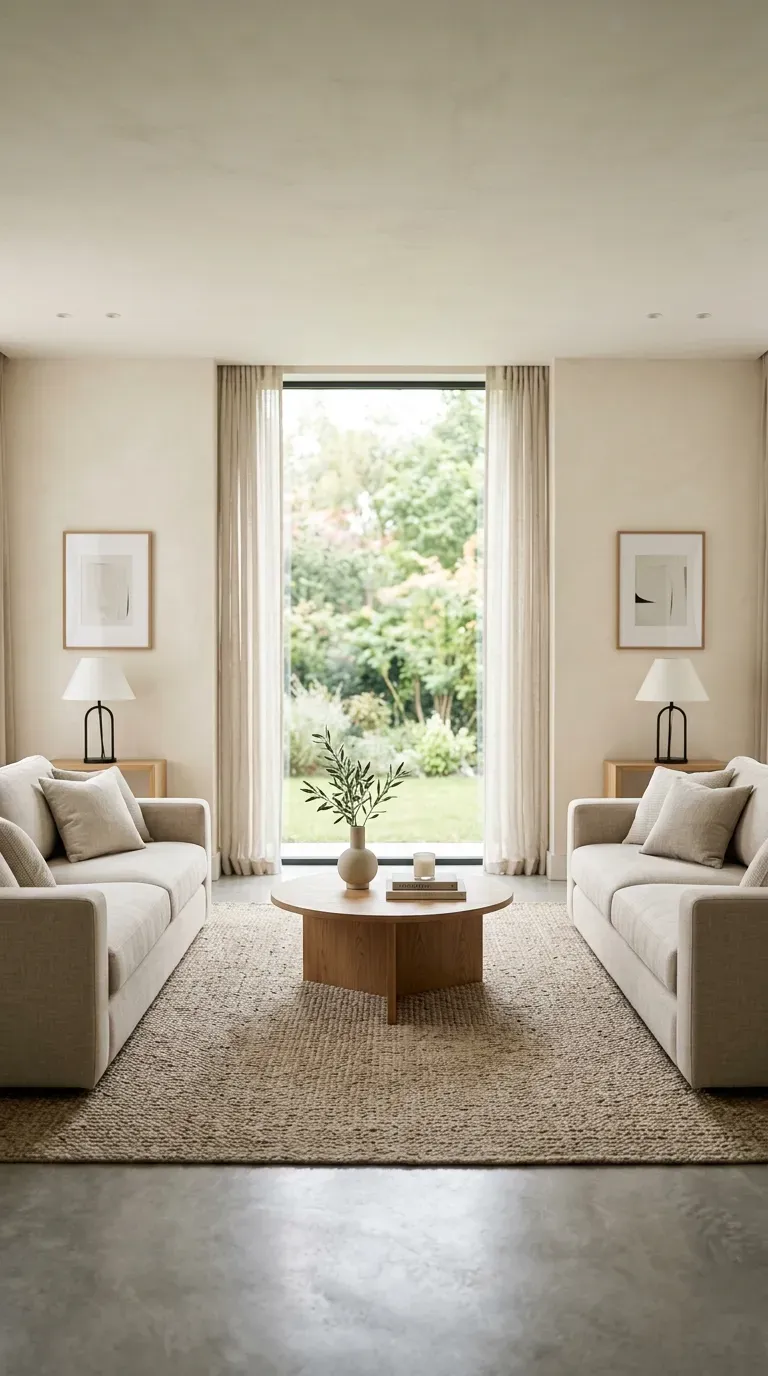
29. Use Symmetry for Visual Harmony
Symmetry is soothing to the eyes. Achieve visual harmony by arranging furniture and decor symmetrically where possible—this creates balance and makes the space feel cohesive and orderly.
Symmetric arrangements, like matching lamps on either side of a sofa, contribute to a sense of order and calm. This principle helps organize the space visually without adding extra elements.
In a minimalist living room, symmetry reinforces the sense of intentionality and tranquility that defines the style, creating a peaceful environment.
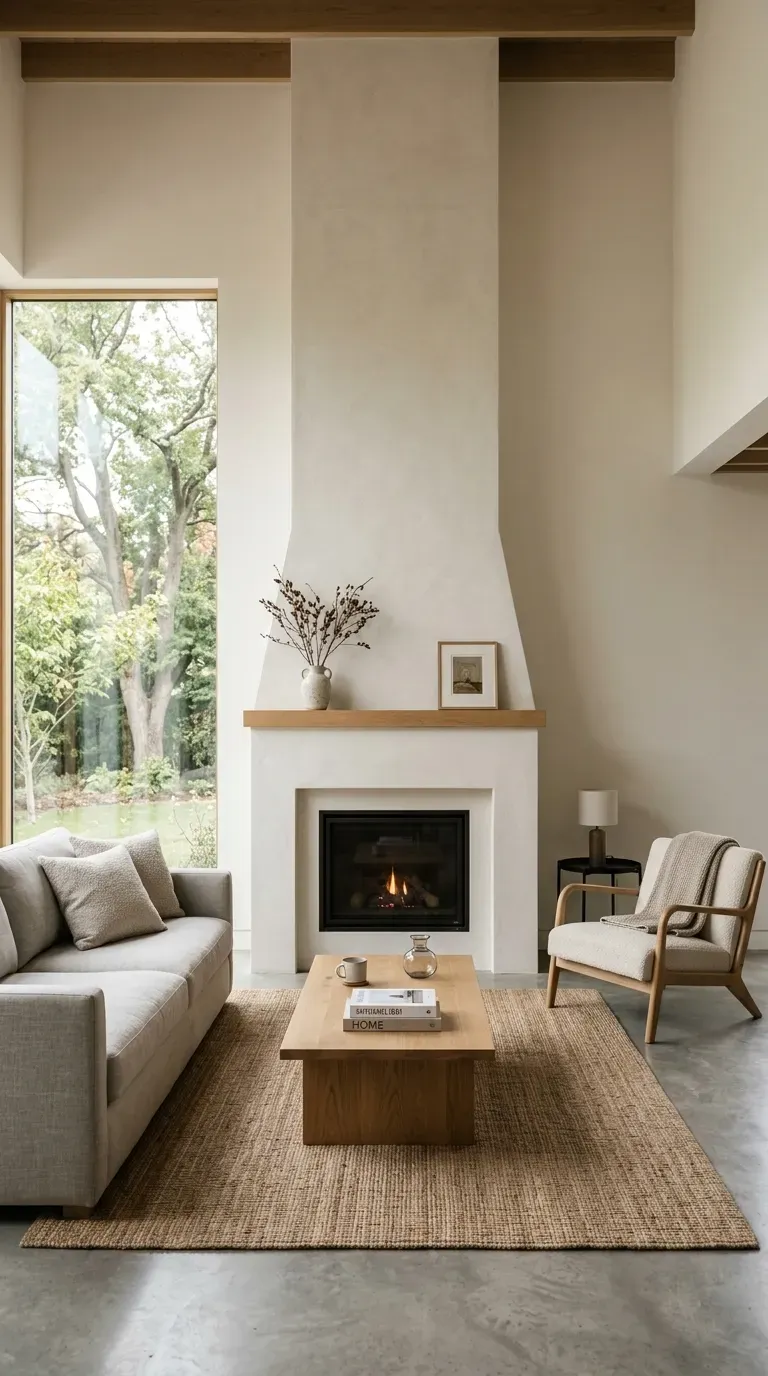
30. Create a Focal Point
In a minimalist living room, choose one focal point, whether it’s a piece of artwork, a fireplace, or a beautiful window. Let that focal point stand out while everything else plays a supporting role.
A clean, simple focal point draws the eye and grounds the room. This approach adds rhythm and creates a sense of flow without introducing visual clutter or competing elements.
One strong gesture is often more impactful than many smaller accents scattered around the room, creating a clear visual anchor.
31. Regularly Reassess Your Space
Minimalism is an ongoing process; regularly reassess your living room to ensure it remains aligned with your lifestyle and aesthetic preferences. This practice ensures that your space continues to serve you well.
Over time, our needs and tastes change. Regularly evaluating what you truly need and love helps maintain a clutter-free, calm environment that evolves with you.
This commitment to intentionality is at the heart of minimalist living, creating a space that grows with you while maintaining its serene character.
Conclusion
Creating a minimalist living room isn’t about deprivation; it’s about freedom—cultivating an environment that fosters peace and clarity in our busy lives. It’s about knowing when to stop and allowing space around something to also make a statement.
The key principles are clear: start with a neutral color palette, choose quality over quantity, maximize natural light, and keep furniture clean-lined and functional. Smart storage solutions keep surfaces clear, while texture and a few meaningful accessories add warmth and personality.
“Minimalist design is getting to the essence of something,” says designer Jess Cooney. And interior designer Smita Thomas predicts that the trend for 2026 will be “a disciplined, intelligent restraint that borrows from maximalism’s warmth but strips its excess”.
This approach to design creates spaces that are not just beautiful but functional and calming. Every piece has a purpose, and every choice enhances the feeling of calm in your home. As you embrace minimalism, remember that every small change helps create a more harmonious home.
Whether you start with a thorough declutter or simply add one thoughtful piece at a time, the journey to a minimalist living room is about creating a space that works with you, not against you. The result is a home that feels like a true sanctuary—calm, clear, and beautifully intentional.